
Malaysia has built a reputation as one of Southeast Asia’s most developed and accessible education destinations. Its combination of quality private schools, multicultural communities, modern urban infrastructure, and relatively affordable living costs make it a compelling choice for both Malaysian families seeking alternatives to the national.
For parents researching Private Schools Malaysia with the intention of identifying a school that will genuinely challenge and support their child, the range of available options is broader than it has ever been. Schools offering the Cambridge curriculum, the IB Diploma, the IGCSE, the national syllabus, and various hybrid approaches coexist within.
The question of which curriculum is right for a child is one that deserves careful thought rather than a default answer. The Cambridge pathway suits students planning to apply to UK, Australian, or Commonwealth universities. The IB Diploma is recognised globally and emphasises breadth. The national curriculum provides continuity for students who.
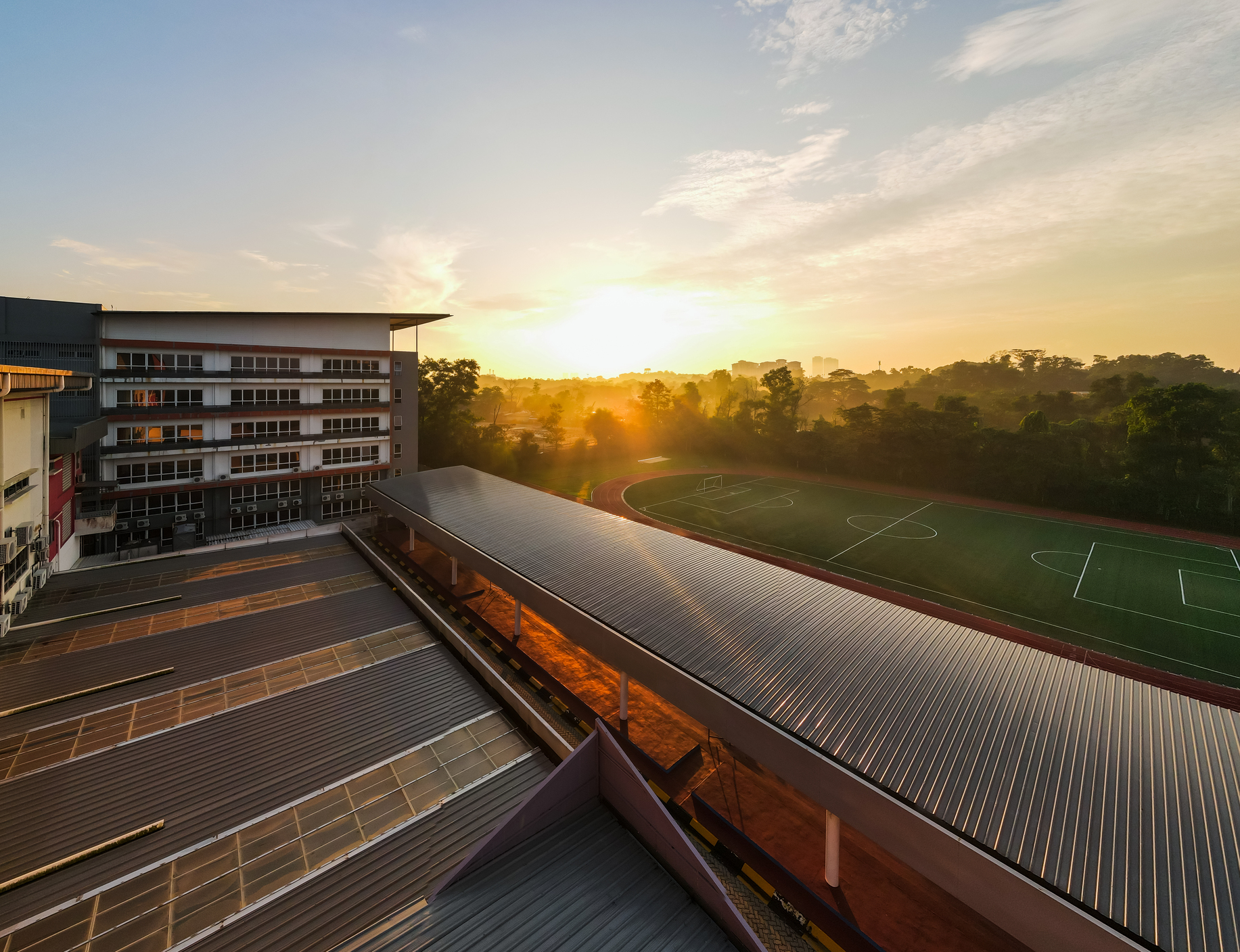
This what a year studying in Malaysia teaches students explores the experience of living and studying in Malaysia from the perspective of someone who has done it — capturing the human dimensions of a country whose education system is far more dynamic and internationally oriented than its modest global profile might suggest.
Co-curricular breadth is a defining characteristic of Malaysia’s best private schools. Sports, the performing arts, STEM competitions, debate, community service, and student leadership all feature prominently in the co-curricular offerings of schools that understand education as a holistic project rather than a purely academic one.
Support for students with diverse learning needs is an area where private schools typically offer more structured provision than the national system. Learning support specialists, differentiated instruction training for teachers, and individual learning plans allow private schools to serve students who require additional support without the stigma.
Families comparing top private schools in Malaysia should pay particular attention to how each school handles the transition from primary to secondary — and from secondary to post-secondary education. The schools that manage these transitions most successfully are those that build continuity of pastoral care, maintain consistent relationships.
The alumni networks associated with established private schools represent a genuine and often underappreciated dimension of the value these schools provide. A graduate who can draw on connections across industries, geographies, and professional fields through their school network enters adulthood with social capital that supplements academic.
Find the right private school in Malaysia for your child — one that offers the curriculum, community, and campus environment to match their potential. Begin your search at www.realschools.edu.my This is among the most important considerations any family can bring to the school selection process.